

As a Messianic Jewish congregation, we study the Torah systematically and follow the Way of Yeshua HaMashiach, focusing on His role as Bridegroom of the New Temple—the Church.
The Meaning of The Way
Within the tradition of The Way, salvation is understood to come through faith in Yeshua as Saviour, not through adherence to later rabbinical legal systems. After the destruction of the Temple in AD 70, Judaism developed into what is now known as Rabbinical Judaism (Orthodox, Conservative and Reform) and The Way (Messianic Judaism).
Messianic Judaism integrates Jewish liturgical and cultural tradition with the theological framework of evangelical Gentile Christianity, anticipating the age of peace associated with Yeshua HaMashiach.
Other related communities include:
- Hebrew Catholics, who affirm Yeshua while remaining in communion with Gentile Rome.
- Samaritan Israelites, preserving ancient Northern Kingdom traditions on Mount Gerizim.
- Beta Israel (Ethiopian Jews), a historic diaspora community now largely in Israel.
- Kabbalistic traditions, expressing Judaism’s mystical dimension.
- Reconstructionist Judaism, viewing Judaism as an evolving civilisation.
Gentile believers may join The Way by association—a spiritual and communal identification rooted in discipleship, not ethnicity.
This pathway includes:
- Torah study for one year through consistent parashot
- Participation in Shabbat and the Leviticus 23 moadim
- Mentorship by the rabbi
- Formation in The Way of Yeshua
Those who complete the process may identify as proselites, expressing their spiritual belonging within our Jewish community by association.
Mikveh (Immersion)
Mikveh is required for all beluevers in Yeshua, boyh Jews and Gentiles, unless the individual has already undergone believer’s baptism at an age of reason and understanding. This symbolises purification and entrance into the life of the Church, understood as the Third and Final Temple.
Infant baptism is honoured but not considered sufficient.
Veganism & Kosher
Jewish dietary laws emphasise holiness, separation, and avoidance of blood. Many Jewish scholars teach that the Messianic Age will reflect the Edenic diet, making veganism a natural expression of Jewish values. Vegan practice aligns with the highest ideals of compassion and holiness, whereas Kosher is a Noahdic concession.
Shabbat & Bible Studies
Monday: Havdalah Service @ 5pm EST - 10pm UK
Friday: Bible Study @ 2pm EST - 7pm UK
Friday: Shabbat Service @ 3pm EST - 8pm UK
Moadim: Monday, Wednesday & Saturday Holiday Service @ 5pm EST - 10pm UK / Thursday Holiday Service @ 1pm EST - 6pm UK
Passover: Seder Service @ TBC
Pastoral Counseling: Available by arrangement
Bar/Bat Mitzvah: Available by arrangement
Our Venue
Join us at...
https://us02web.zoom.us/j/5268896520?pwd=3q647WQgDUbaEIoQz3VraRIiD7GFgx.1
Synagogue ID: 526 889 6520
Passcode: 989571


In Support of Boy George
On 27 July 2026, Boy George released We Will Dance Again, addressing the October 7 attacks and the suffering of their victims.
Remembering those murdered and kidnapped, rejecting terrorism, and standing against antisemitism are matters of basic human dignity. They do not prevent concern for Palestinian civilians or legitimate debate about Israeli policy.
Jewish suffering must not be minimised, forgotten, or made politically inconvenient. The victims of October 7 deserve to be remembered—and those who stand with them deserve to be heard.

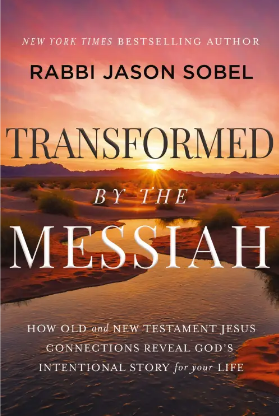
Transformed by Yeshua
Discover the Jesus who has been pursuing you since before time! Join an unforgettable journey through the birth, ministry, and death of the Messiah as found in the Old and New Testaments, and have your own life transforming experience.
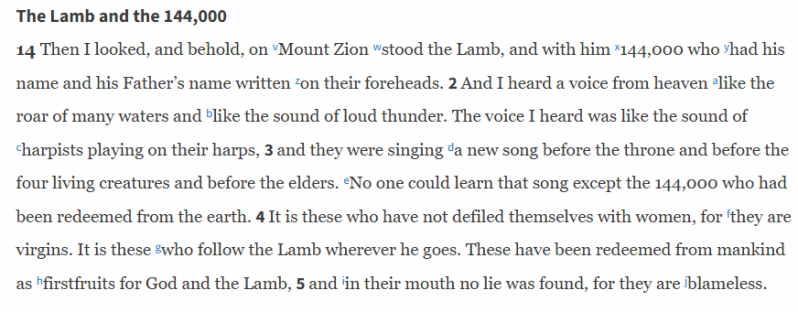
The 144,000 and the Great Revival
Revelation 7:1–8 & 14:1-5 describe 144,000 Jewish believers—symbolic of the tribes of Israel—who will lead a global revival before the final judgment.
The Heart of Worship
The Amidah is the central prayer of the Jewish liturgy. Scholars note parallels between its structure and passages such as 2 Corinthians 1:3–7. Yeshua’s teaching on prayer reflects its themes of praise, petition, and gratitude.
The Lord's Prayer in Hebrew
אָבִינוּ שֶׁבַּשָּׁמַיִם, יִתְקַדֵּשׁ שִׁמְךָ, וְיָבֹא מַלְכוּתְךָ, יֵעָשֶׂה רְצוֹנְךָ כַּאֲשֶׁר בַּשָּׁמַיִם וּבָאָרֶץ. תֵּן לָנוּ הַיּוֹם לֶחֶם חֻקֵּנוּ, וּסְלַח לָנוּ עַל חֲטָאֵינוּ כַּאֲשֶׁר סוֹלְחִים אֲנַחְנוּ לַחֹטְאִים לָנוּ. וְאַל תְּבִיאֵנוּ לִידֵי נִסָּיוֹן, כִּי אִם הַצִּילֵנוּ מִכָּל רָע. אָמֵן.
Avinu shebashamayim, yitkadesh shimkha.
Tavo malchutkha, ye'aseh retzonkha, kmo bashamayim ken ba'aretz.
Ten lanu hayom et lechem chukenu.
U-s'lah lanu al chatotenu, kmo she-anachnu mochalim la-hot'im lanu.
Ve-al tevi'enu lidei nisayon, ach hatzilenu min hara.
Ki lekha ha-malchut, ve-ha-gevurah, ve-ha-tiferet, le-olmei olamim.
Amen